
Yogyakarta holds one of Indonesia’s richest collections of royal, religious, artistic, and architectural heritage. The city connects living Javanese traditions with historic landmarks, ancient temples, traditional neighborhoods, and local crafts. This Yogyakarta Cultural Heritage Guide highlights several places that help travelers understand the region’s identity more deeply.
Start at Keraton Yogyakarta
Keraton Yogyakarta stands at the center of the city’s royal heritage. The palace still plays an important role in Javanese culture and the life of the Yogyakarta Sultanate.
Visitors can explore courtyards, traditional buildings, royal collections, and cultural spaces. The palace also introduces travelers to ceremonies, customs, and local values.
A local guide can explain symbols, architecture, and royal traditions. These insights help visitors understand the palace beyond its visual beauty.
Explore Taman Sari
Taman Sari sits close to the Keraton and offers another perspective on royal history. The complex once supported several royal activities and included pools, gardens, walls, and passageways.
Travelers can walk through surviving structures and observe unique architectural details. Narrow streets and local houses around the site also add character to the visit.
Taman Sari works well in the same itinerary as the Keraton and nearby central attractions.
Discover Prambanan Temple
Prambanan adds ancient Hindu heritage to a cultural journey. Tall stone towers dominate the complex and create one of the most recognizable temple landscapes near Yogyakarta.
Visitors can study detailed relief panels and explore the main temples. Many carvings illustrate stories from the Ramayana.
Prambanan suits travelers who enjoy history, architecture, and religious traditions. A longer visit can also include other archaeological sites in the surrounding area.
For broader travel ideas, read this complete Yogyakarta tourism guide to culture, heritage, nature, and unforgettable experiences. It can help you combine heritage landmarks with other attractions.
Explore Borobudur Temple
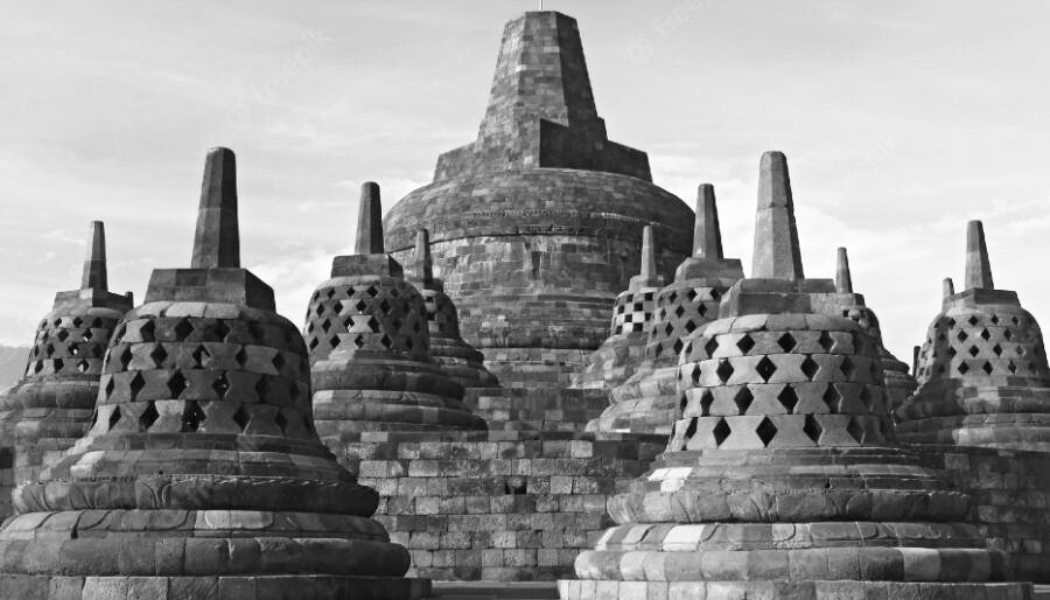
Borobudur lies outside central Yogyakarta, but many travelers include it in a heritage-focused trip. The temple offers a major introduction to Buddhist history in Central Java.
Visitors can walk through stone galleries, observe detailed reliefs, and admire the famous stupas. The surrounding countryside adds a peaceful setting to the experience.
Start early if you want to combine Borobudur with other cultural destinations during the same day.
Walk Through Kotagede
Kotagede offers a quieter heritage experience. The district connects closely with the early history of the Mataram Kingdom.
Traditional houses, old mosques, narrow alleys, and silver workshops shape the neighborhood. Travelers can explore the area on foot and observe local architecture.
Local artisans still create silver jewelry and decorative products. Their work keeps an important craft tradition alive.
Experience Traditional Arts and Batik
Cultural heritage also lives through music, dance, crafts, and textiles. Travelers can watch gamelan performances, classical Javanese dance, or visit batik workshops.
Batik artisans use wax, dye, and careful handwork to create detailed patterns. Some workshops also allow visitors to try simple techniques.
These experiences connect travelers directly with living traditions rather than only historic buildings.
Plan Your Heritage Journey
Group nearby attractions to reduce travel time. Keraton, Taman Sari, and Malioboro work well in one central route.
Private transportation can make longer journeys to Borobudur or Prambanan easier. It also gives you more control over departure times and stops.
Explore private Yogyakarta heritage tours with local guides if you want a flexible way to discover temples, royal landmarks, traditional neighborhoods, and local crafts.
Conclusion
This Yogyakarta Cultural Heritage Guide brings together royal history, ancient temples, traditional arts, architecture, and local craftsmanship. Keraton, Taman Sari, Borobudur, Prambanan, Kotagede, and batik workshops each offer a different cultural perspective. Together, they create a deeper understanding of Yogyakarta’s heritage and living traditions.
